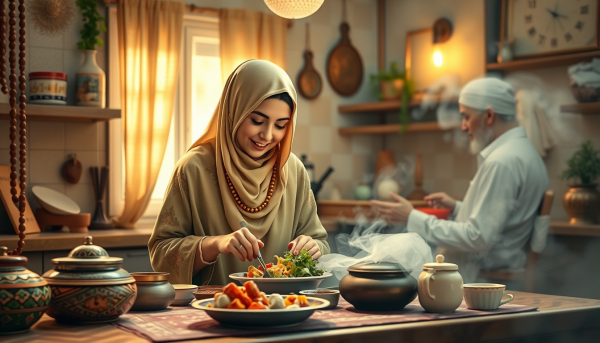
What is Halal?
The word "Halal" means "permissible" or "lawful" in Arabic. It refers to actions or things that are allowed according to Islamic law, based on the Qur'an and Hadith (the sayings and actions of the Prophet Muhammad). In the context of food, Halal refers to food items that are permissible for consumption. However, the scope of Halal goes beyond food and encompasses all actions and behaviors in life, including finance, business transactions, and social behavior.
Examples of Halal:
- Food: Meat from animals slaughtered according to Islamic guidelines, fruits, vegetables, and grains.
- Behavior: Being honest in your dealings, showing kindness to others, and performing acts of worship.
- Finances: Engaging in trade or financial practices that do not involve interest (usury), as interest-based transactions are prohibited in Islam.
What is Haram?
"Haram" means "forbidden" or "prohibited." Anything considered Haram is not allowed under Islamic law, and Muslims are encouraged to avoid such actions. Just as with Halal, Haram also applies to many areas of life, including food, drink, behavior, and business.
Examples of Haram:
- Food: Pork and its derivatives, alcohol, and animals not slaughtered according to Islamic rules.
- Behavior: Stealing, lying, and harming others are considered sinful acts.
- Finances: Charging or paying interest, gambling, or engaging in dishonest business practices.
Halal and Haram in Food
One of the most well-known applications of Halal and Haram is in the food industry. Muslims are required to consume Halal food, which means they must ensure that the food they eat meets Islamic dietary laws.
Key guidelines for Halal food include:
- Proper slaughter: Animals must be slaughtered by a Muslim, and the name of God (Allah) should be invoked before the slaughter. The animal should be healthy and treated humanely.
- Prohibition of certain animals: Pigs, carnivorous animals, and certain birds are considered Haram and must not be eaten.
- Avoiding intoxicants: Alcohol and any intoxicating substances are strictly forbidden.
In modern society, the demand for Halal-certified products has increased, making it easier for Muslims to find permissible foods in restaurants and supermarkets. Many companies now offer Halal options to cater to Muslim consumers.
Beyond Food: Halal and Haram in Other Aspects of Life
The principles of Halal and Haram also apply to other aspects of life beyond dietary restrictions:
-
Business and Finance: In Islam, ethical business practices are crucial. Halal finance involves trade and commerce that do not exploit others or involve interest (riba). Muslims are encouraged to engage in fair trade, transparency, and honesty. Haram financial practices, such as gambling (maysir) or dealing with interest, are prohibited because they are seen as exploitative and unjust.
-
Social Conduct: Halal behavior in social settings involves treating others with respect, kindness, and fairness. Haram behavior, such as lying, backbiting, or causing harm, is discouraged. Islam promotes a moral framework where the rights and dignity of individuals are protected.
-
Clothing: The concept of modesty in clothing is another application of Halal and Haram. Islam encourages modest dress for both men and women, which reflects the values of humility and self-respect. Clothing that is overly revealing or worn with the intention of attracting undue attention may be considered Haram.
Why Understanding Halal and Haram Matters
Understanding Halal and Haram is crucial for Muslims as it allows them to lead a life that is in harmony with their faith. By following these guidelines, they seek to attain spiritual fulfillment and ethical conduct in everyday life. For non-Muslims, awareness of these concepts fosters respect and understanding, especially in multicultural societies where people from different religious backgrounds coexist.
Moreover, the distinction between Halal and Haram highlights the Islamic emphasis on conscious living. The faith encourages Muslims to think critically about their actions, their impact on others, and their relationship with God. This awareness leads to mindfulness in decision-making, ensuring that choices align with both moral and religious values.
Common Misconceptions
- Halal is only about food: While Halal is often associated with food, it applies to many areas of life, including finances, behavior, and clothing.
- Halal food is only for Muslims: Many people, regardless of religion, choose Halal food because of the ethical treatment of animals and the emphasis on cleanliness.
- All meat is automatically Halal: Meat is only considered Halal if it meets specific slaughtering guidelines. Not all meat in supermarkets qualifies as Halal, even if it seems to be free of prohibited substances like pork.
Conclusion
The concepts of Halal and Haram are integral to Islamic life, influencing not only dietary choices but also moral, social, and financial decisions. By adhering to these principles, Muslims seek to live in a way that pleases God and fosters a harmonious society. For non-Muslims, understanding these concepts can promote greater respect and cultural awareness, fostering inclusivity in diverse communities.
In a globalized world, where cultures and beliefs intersect, recognizing the significance of Halal and Haram can lead to a more empathetic and informed perspective on the values that shape the lives of millions of people around the world.