1. What is Islamic Education?
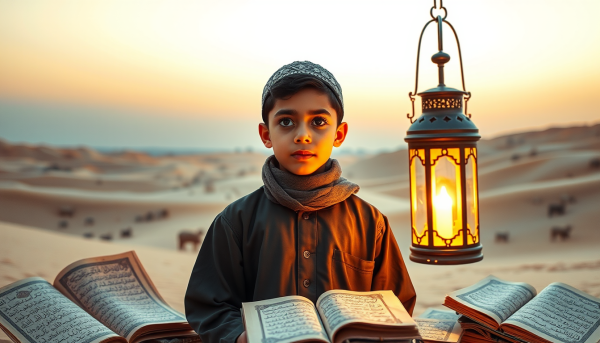
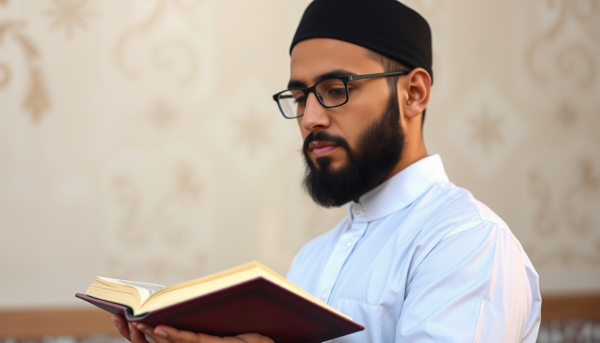
Islamic education, or Tarbiyah, encompasses more than just learning religious texts or rituals. It is a comprehensive system that covers spiritual, intellectual, and moral growth. The Qur'an and Hadith serve as the foundational texts, teaching values like honesty, patience, kindness, and justice. Through Islamic education, students learn not only to understand their relationship with Allah (God) but also how to interact positively with others and the environment.
2. Developing Strong Moral Values
The fundamental goal of Islamic education is to nurture good character (Akhlaq). The Prophet Muhammad (peace be upon him) emphasized the importance of good character, stating: "I was sent to perfect good character" (Hadith). Through lessons from the Qur'an and the teachings of the Prophet, students learn the values of integrity, compassion, humility, and self-discipline. These values are meant to be internalized and reflected in daily actions, promoting a life of virtue.
3. Fostering Responsibility and Social Awareness
Islamic education encourages individuals to be conscious of their responsibilities toward themselves, their families, society, and the world at large. This sense of responsibility is embedded in the concept of Amana (trust). Muslims are taught that they are entrusted by Allah with the responsibility to care for others and the earth. This instills a sense of social justice, motivating individuals to stand against oppression, help the needy, and promote equality and fairness in their communities.
4. The Role of Teachers and Mentors
Teachers play a pivotal role in Islamic education, acting not only as instructors but as role models. Their guidance helps students navigate ethical dilemmas and develop strong moral compasses. A teacher’s role in Islamic education goes beyond academic instruction; it is about Tazkiyah (purification of the soul). A well-educated teacher imparts not only knowledge but the wisdom to apply that knowledge ethically and compassionately.
5. Integrating Faith and Practical Life
A key aspect of Islamic education is the integration of faith into daily life. It emphasizes that worship is not confined to rituals like prayer or fasting, but extends to how one conducts themselves in everyday affairs. Whether in business, family relations, or civic duties, Muslims are encouraged to embody the principles of Islam, such as fairness, transparency, and mercy. This approach ensures that character building is not isolated from real-world experiences but is actively practiced in every aspect of life.
6. Resilience and Patience in Adversity
One of the key character traits nurtured through Islamic education is Sabr (patience). Life is full of challenges, and Islamic teachings encourage believers to remain steadfast in faith during times of hardship. This resilience is not just about enduring difficulties but also about maintaining a positive outlook and seeking solutions through ethical means. Patience, coupled with Tawakkul (trust in Allah), forms the foundation for coping with life’s adversities while maintaining one’s integrity and compassion.
7. The Role of Parents and Community
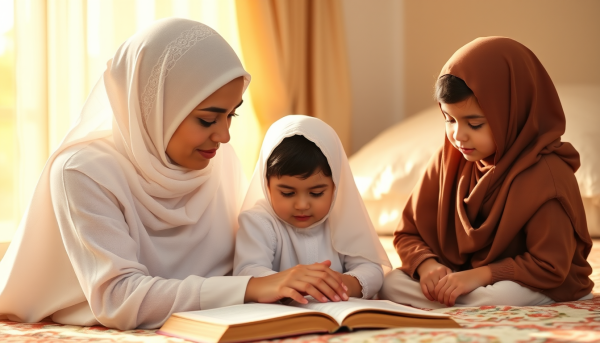
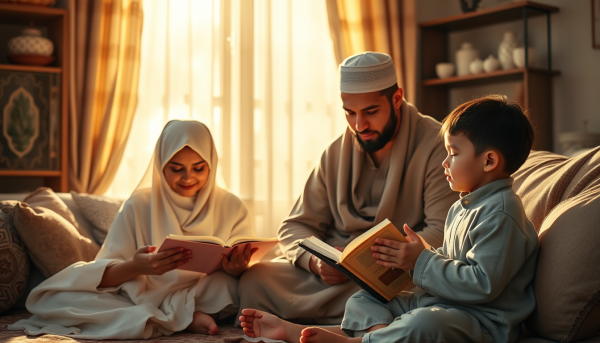
While formal Islamic education plays a significant role, parents and the community are equally important in character building. The home is the first school, and parents are the first teachers. By modeling ethical behavior and reinforcing Islamic values at home, parents lay the groundwork for their children’s character. Community institutions like mosques and Islamic centers further reinforce these values by providing spaces for worship, learning, and social engagement, thereby offering support in the moral development of young Muslims.
Conclusion
Islamic education is much more than acquiring religious knowledge; it is a comprehensive system aimed at building character, integrity, and social responsibility. By nurturing qualities like compassion, patience, honesty, and a sense of duty, it prepares individuals not just to be good Muslims, but to be ethical, conscientious members of society. In an increasingly complex and interconnected world, the values imparted through Islamic education remain essential in creating balanced, morally upright individuals who contribute positively to their communities.
Through its teachings, Islamic education continues to provide the moral framework necessary for individuals to lead lives of purpose and virtue, forming the bedrock of a just and compassionate society.