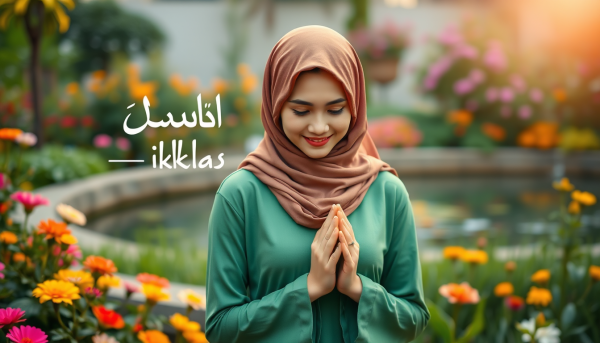
1. Start with the Basics: The Importance of "Bismillah" and "Alhamdulillah"
From an early age, teach children to say "Bismillah" (In the name of Allah) before starting any activity, such as eating or studying. This simple phrase instills the habit of remembering Allah in their daily actions. Similarly, encourage them to say "Alhamdulillah" (All praise is due to Allah) after eating or when feeling grateful. This practice not only nurtures gratitude but also fosters a positive mindset.
2. Model Good Manners
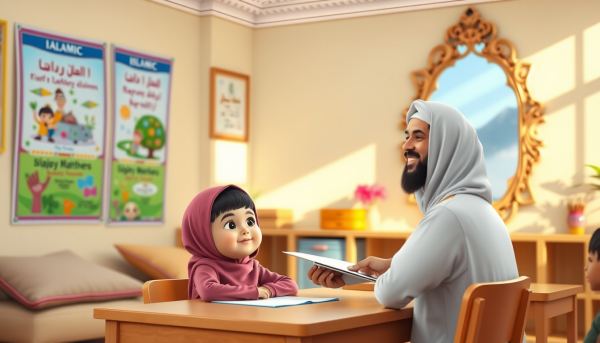
Children learn best by example. Demonstrate good manners in your daily interactions, whether at home, in public, or online. Use polite language, say "please" and "thank you," and show respect to everyone, regardless of their status or background. When children see their parents and caregivers practicing good manners, they are more likely to imitate these behaviors.
3. Teach Respect for Others
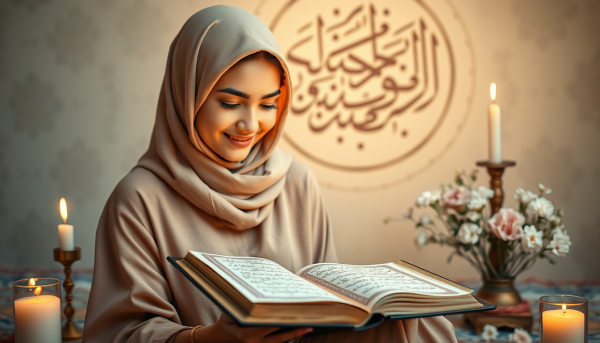
Respect is a core principle of Islamic teachings. Encourage children to greet everyone with "Assalamu Alaikum" (peace be upon you) and to respond appropriately. Teach them to show kindness and compassion to friends, family, and even strangers. Share stories from the Quran and Hadith that highlight the importance of treating others well, such as the Prophet Muhammad's (peace be upon him) emphasis on good character.
4. Encourage Sharing and Generosity
Islam places great importance on sharing and being generous. Teach children the value of sharing toys, snacks, and other belongings with siblings and friends. Discuss the concept of Sadaqah (charitable giving) and encourage them to contribute a small amount of their allowance or perform acts of kindness, such as helping neighbors or donating to those in need.
5. Practice Active Listening and Patience
Good manners also involve listening attentively and being patient. Teach children to wait their turn when speaking and to listen to others without interrupting. Encourage them to be patient in discussions, emphasizing that everyone deserves to be heard. Practicing these skills will help them develop strong interpersonal relationships.
6. Promote Cleanliness and Personal Hygiene
Islam places significant emphasis on cleanliness. Teach children the importance of personal hygiene, such as washing hands before meals, brushing their teeth, and keeping their living spaces tidy. Explain that cleanliness is not only a physical attribute but also a spiritual one, as it is mentioned in the Hadith: "Cleanliness is half of faith."
7. Use Positive Reinforcement
Recognize and praise children when they exhibit good manners. Positive reinforcement encourages them to continue practicing these behaviors. You can create a reward system where they earn points or small rewards for demonstrating Islamic manners consistently.
8. Engage in Community Activities
Encourage children to participate in community services or Islamic events that promote good manners and social responsibility. This involvement helps them understand the impact of their actions on others and reinforces the importance of good character within a community context.
Conclusion
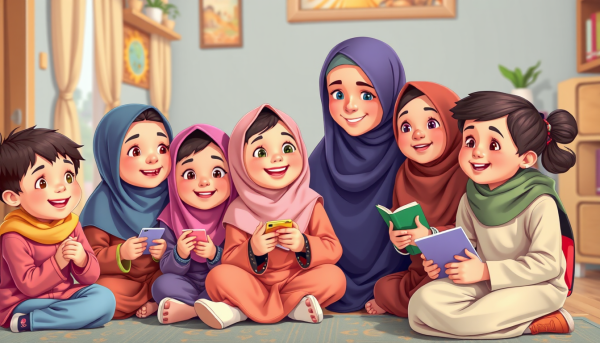
Instilling Islamic manners in children is a lifelong journey that requires patience, consistency, and love. By embedding these values in everyday life, parents and caregivers can guide children to become respectful, compassionate, and responsible individuals. Remember, the key is to practice what you preach, fostering an environment where good manners are celebrated and encouraged. As children grow in their understanding of Islamic teachings, they will carry these important values with them throughout their lives.