1. Establish Clear Objectives
Before beginning a group learning session, it's essential to define clear objectives. Determine what you want to achieve, whether it’s understanding a particular aspect of Islamic history, analyzing a specific text, or discussing contemporary issues. Clear goals help keep the group focused and motivated.
2. Create an Inclusive Environment
Fostering an inclusive atmosphere encourages all participants to share their thoughts and ideas. Ensure that everyone feels valued, regardless of their background or level of knowledge. This can be achieved by actively promoting respect and openness, allowing for diverse viewpoints, and establishing ground rules for discussions.
3. Encourage Active Participation
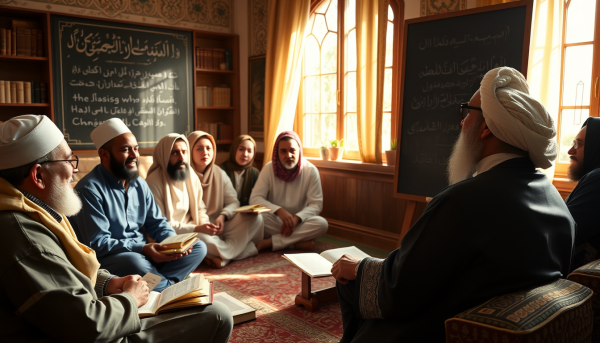
Active engagement is crucial for effective group learning. Encourage participants to ask questions, share insights, and contribute to discussions. Techniques such as think-pair-share, where individuals first think about a question, then discuss it with a partner before sharing with the larger group, can enhance participation.
4. Utilize Varied Learning Resources
Incorporate a variety of resources into the group learning process. This can include classical texts, contemporary writings, lectures, multimedia presentations, and even online resources. By utilizing different types of materials, you can cater to various learning styles and keep the group engaged.
5. Foster Critical Thinking
Encourage participants to think critically about the material. This can be done through structured debates, case studies, or group projects that require analysis and synthesis of information. Promoting critical thinking helps students develop a deeper understanding of complex concepts within Islamic studies.
6. Facilitate Group Discussions
Effective discussions are central to group learning. As a facilitator, guide conversations by asking open-ended questions and prompting participants to elaborate on their points. It's also important to manage group dynamics, ensuring that all voices are heard and that dominant personalities do not overshadow quieter members.
7. Assign Roles and Responsibilities
To enhance collaboration, consider assigning specific roles to group members, such as facilitator, note-taker, or researcher. This not only helps distribute workload but also encourages accountability. Rotating roles can provide everyone with a chance to develop different skills and perspectives.
8. Incorporate Reflection
After each session, allow time for reflection. Participants can discuss what they learned, what challenges they faced, and how their perspectives may have changed. This reflection process reinforces learning and helps participants internalize key concepts.
9. Provide Constructive Feedback
Encourage a culture of constructive feedback within the group. Members should feel comfortable giving and receiving feedback on ideas, presentations, or projects. This practice helps to refine understanding and fosters a spirit of continuous improvement.
10. Build a Community of Practice
Encourage ongoing interaction outside of formal sessions. This could involve creating online forums, study groups, or community service projects that relate to Islamic studies. Building a community of practice helps reinforce learning and strengthens relationships among participants.
Conclusion
Group learning in Islamic studies offers a valuable opportunity for collaboration, engagement, and deeper understanding of the faith. By implementing these best practices, educators and facilitators can create a dynamic learning environment that fosters mutual respect, critical thinking, and a shared passion for knowledge. As participants navigate the rich and diverse landscape of Islamic studies together, they not only learn from each other but also build a community that reflects the very essence of Islamic teachings: unity, compassion, and the pursuit of knowledge.